
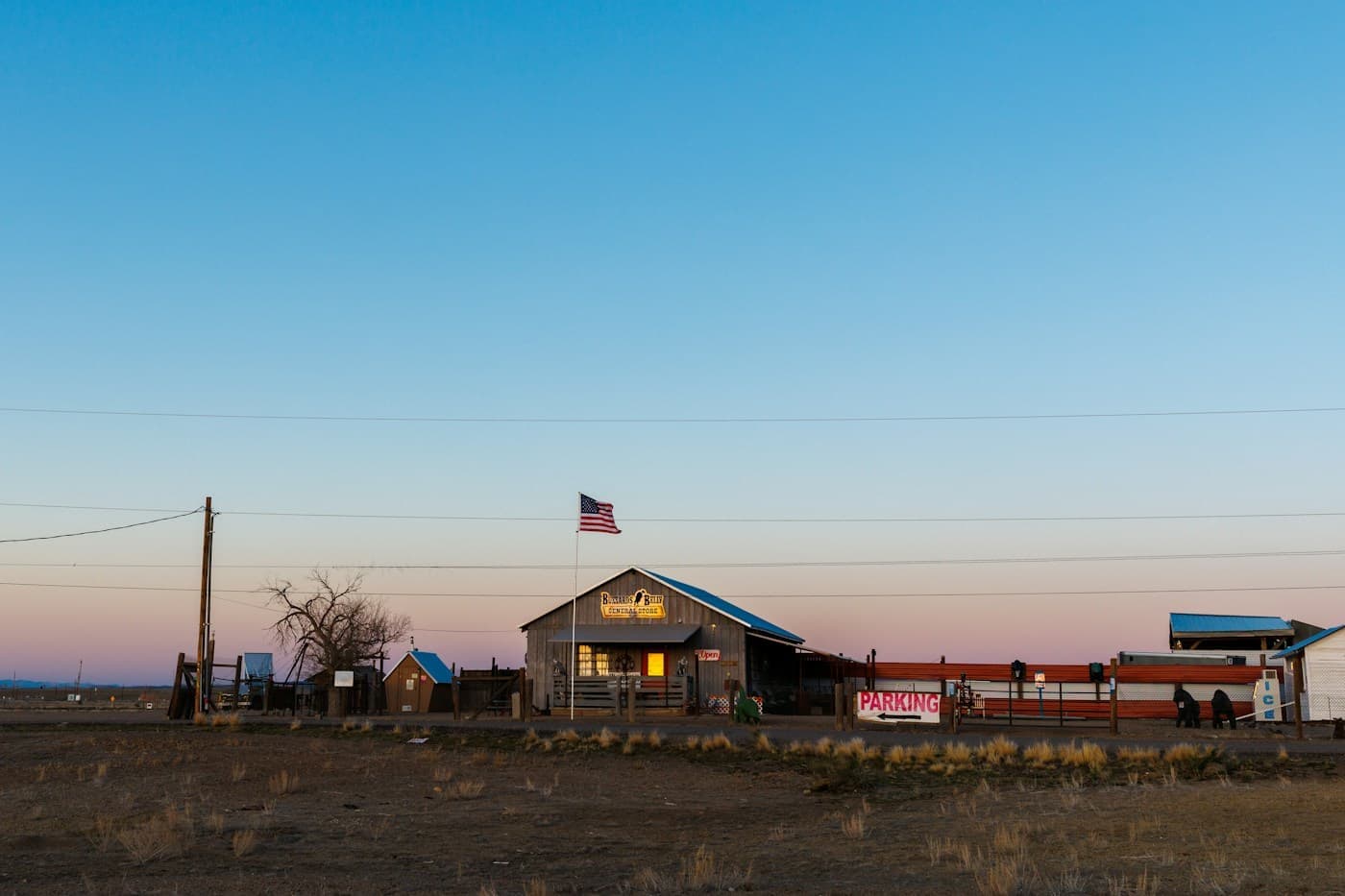
Help for businessowners inIndiana.
1,955,842 people in Indiana live in rural areas, and in 57 of its 92 counties most residents do. ATLAS gives the owners there AI answers with the MudRock team behind them, wherever the business is.
- Under 20%
- 20 to 40%
- 40 to 60%
- 60 to 80%
- 80% and over
What ATLAS gives owners in Indiana.
The same five tools in every state, on one account, from a phone or a computer.
- Help DeskAsk in plain words and attach the contract or the photo. The AI answers in seconds, and one tap brings in a person from MudRock.
- WorkshopA private AI workspace with three modes: strategy, documents and marketing. Work is saved in projects and exports to Word or PDF.
- My BusinessA weekly one-tap check on how business feels, an optional monthly check-in, and goals with milestones. No accounting.
- CapitalAsk for financing to grow, see an indicative value range, and plan a succession, a handover or a confidential sale. Every figure is marked as an estimate.
- Owner CircleA private community of owners checked by the MudRock team. Your real name is never shown.
All 92 counties.
Each with its population and the share of residents who live in rural areas, from the 2020 Census. Most rural first.
- Benton County8,719 people100% rural
- Brown County15,475 people100% rural
- Crawford County10,526 people100% rural
- Fountain County16,479 people100% rural
- LaGrange County40,446 people100% rural
- Martin County9,812 people100% rural
- Newton County13,830 people100% rural
- Ohio County5,940 people100% rural
- Orange County19,867 people100% rural
- Owen County21,321 people100% rural
- Pike County12,250 people100% rural
- Pulaski County12,514 people100% rural
- Spencer County19,810 people100% rural
- Starke County23,371 people100% rural
- Switzerland County9,737 people100% rural
- Union County7,087 people100% rural
- Warren County8,440 people100% rural
- Parke County16,156 people99.4% rural
- Carroll County20,306 people94.6% rural
- Franklin County22,785 people88.9% rural
- Harrison County39,654 people85.6% rural
- Jasper County32,918 people83.3% rural
- Greene County30,803 people82.8% rural
- Ripley County28,995 people81.4% rural
- Noble County47,457 people77.7% rural
- Sullivan County20,817 people76.6% rural
- Washington County28,182 people76.5% rural
- Jennings County27,613 people74.9% rural
- Gibson County33,011 people74.7% rural
- Marshall County46,095 people73.4% rural
- Putnam County36,726 people72.3% rural
- Adams County35,809 people70.8% rural
- Posey County25,222 people70.4% rural
- Whitley County34,191 people69.1% rural
- Jay County20,478 people68.9% rural
- Scott County24,384 people68.9% rural
- Lawrence County45,011 people67.9% rural
- Randolph County24,502 people66.6% rural
- Fulton County20,480 people64.2% rural
- Wells County28,180 people63.3% rural
- Steuben County34,435 people63.2% rural
- Henry County48,914 people62.1% rural
- Tipton County15,359 people61.5% rural
- Rush County16,752 people61.4% rural
- White County24,688 people61.4% rural
- Daviess County33,381 people61.3% rural
- Dearborn County50,679 people60.2% rural
- Clay County26,466 people60% rural
- Vermillion County15,439 people58.7% rural
- Perry County19,170 people54.3% rural
- Morgan County71,780 people54.1% rural
- DeKalb County43,265 people53% rural
- Montgomery County37,936 people52.9% rural
- Decatur County26,472 people52.7% rural
- Shelby County45,055 people52.6% rural
- Huntington County36,662 people52.1% rural
- Wabash County30,976 people50.1% rural
- Clinton County33,190 people49.5% rural
- Blackford County12,112 people49.3% rural
- Kosciusko County80,240 people48.4% rural
- Jackson County46,428 people47.8% rural
- Dubois County43,637 people47.6% rural
- Jefferson County33,147 people47.4% rural
- Cass County37,870 people46.2% rural
- Miami County35,962 people45.6% rural
- Knox County36,282 people45.4% rural
- Grant County66,674 people38.6% rural
- Fayette County23,398 people38.5% rural
- Wayne County66,553 people37.7% rural
- LaPorte County112,417 people36.5% rural
- Floyd County80,484 people34.1% rural
- Bartholomew County82,208 people30.7% rural
- Hancock County79,840 people27.7% rural
- Boone County70,812 people27.2% rural
- Warrick County63,898 people26.7% rural
- Howard County83,658 people25.7% rural
- Vigo County106,153 people24.8% rural
- Madison County130,129 people24.6% rural
- Porter County173,215 people23.6% rural
- Elkhart County207,047 people23.3% rural
- Delaware County111,903 people23.1% rural
- Clark County121,093 people21.3% rural
- Monroe County139,718 people21.2% rural
- Tippecanoe County186,251 people15.7% rural
- Hendricks County174,788 people15.2% rural
- Allen County385,410 people12.9% rural
- Johnson County161,765 people12.7% rural
- St. Joseph County272,912 people10% rural
- Vanderburgh County180,136 people8% rural
- Hamilton County347,467 people5.7% rural
- Lake County498,700 people4.5% rural
- Marion County977,203 people0.9% rural
ATLAS Portals in Indiana.
The ATLAS Portals in Indiana will be listed here, county by county, as they open. Each one is a branded storefront with screens and a code that opens ATLAS. Wherever you are, you can start in ATLAS today.
What an ATLAS Portal isPortal list to come
ATLAS works in every county of Indiana today.
Questions from owners in Indiana
Can I use ATLAS if my business is in Indiana?
Yes. ATLAS works everywhere in Indiana, from a phone or a computer. Create an account, tell us about your business, and ask the Help Desk your first question the same day.
Is there an ATLAS Portal in Indiana?
This page will list the ATLAS Portals in Indiana, county by county, as they open. You don't need one to use ATLAS: everything starts there, from a phone or a computer.
How rural is Indiana?
In the 2020 Census, 1,955,842 people in Indiana lived in rural areas, 28.8% of its population. In 57 of its 92 counties, most residents live in rural areas.
How many small businesses are there in Indiana?
The SBA Office of Advocacy counts 591,671 small businesses in Indiana in its 2025 profile. Small businesses employ 43.2% of the private-sector workforce there.
Will ATLAS give legal or tax advice for Indiana?
No. On legal, tax and financial topics the Help Desk gives general guidance with a clear note, and a path to a person. Rules differ from state to state, so check anything binding with a local lawyer or accountant.
Nearby states
Sources
- 1. U.S. Small Business Administration, Office of Advocacy, 2025 Small Business Profiles. Small business count and share of private-sector employment.
- 2. U.S. Census Bureau, 2020 Census urban and rural classification. Rural population of the state and of each county.
Start whereyou stand.
Create an account and ask your first question today, from anywhere in Indiana. We email you a code to sign in, so there is no password.